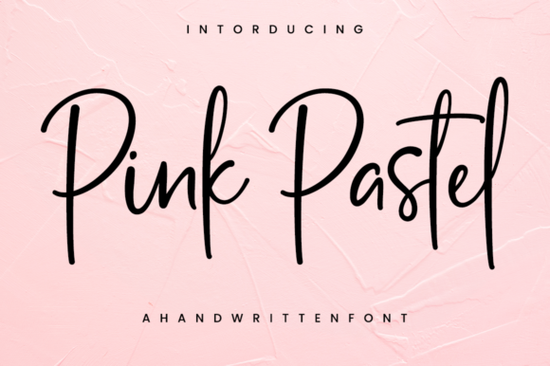
If you are working on a new project that requires a soft, feminine touch, the Pink Pastel Font is an excellent choice to consider. This typeface offers a lovely and delicate script aesthetic that feels both modern and timeless. Whether you are designing a wedding invitation or creating a brand identity for a boutique shop, having the right typography makes a significant difference in how your message is received. Designers often search for fonts that balance readability with artistic flair, and this script provides exactly that level of sophistication without overwhelming the viewer.
Is this script suitable for wedding invitations?
One of the most common reasons people look for Pink Pastel is for high-end stationery. The curves are gentle enough to convey romance but distinct enough to remain legible at smaller sizes. When crafting invitations, the goal is to evoke a specific mood through visual cues alone. Using a heavy, blocky typeface can sometimes clash with floral imagery or watercolor backgrounds, whereas a refined script integrates seamlessly. You can use this for names, dates, or even short quotes to establish a tone of elegance. It allows you to maintain a consistent look across multiple pieces of paper, such as RSVP cards and thank-you notes.
What pairs well with this style?
Pairing scripts effectively can be the trickiest part of the typographic process. If you need a backup option for headers or subheadings, exploring other script font collections can help you find complementary characters. Sometimes you need a handwriting version to match the fluidity of the main text. Conversely, you might want a clean sans-serif to ground the design and improve readability for important information. The key is contrast; let the script shine while keeping supporting text neutral. This ensures that the eye is guided correctly through your composition without getting lost in too many decorative elements.
Will this work for commercial merchandise?
Sellers on platforms like Etsy or Printify often wonder about the safety of using a font for physical products. Generally, this type is licensed for small business use and personal projects, making it viable for t-shirts, mugs, and stickers. However, checking the specific license agreement included with your download is always the responsible first step. Some creators prefer to look at similar options if their project scales up significantly. Comparing styles like the Randy Sofia Font can provide insight into different price points and usage terms available in the market.
Making decisions about intellectual property protects your business reputation. It avoids potential disputes down the road and builds trust with your customers who want original designs. Many independent creators start small and grow over time, so choosing a font now that aligns with future growth plans is wise. If you anticipate launching larger campaigns, understanding the scope of a commercial license is critical before committing your budget to assets.
Balancing weights in your layout
Visual hierarchy depends heavily on how much space you give each letterform. Scripts tend to occupy more visual weight than simple geometric shapes, so they need room to breathe. If you are struggling with cramped text boxes, trying a different variation might solve the issue. Exploring resources like the Alignment Font can offer lessons on balancing tight kerning against open layouts. It teaches you how letters interact with white space, which is crucial for professional results.
You also need to consider the thematic context of your design. While pastel tones suggest spring or romance, not every brand fits that narrative perfectly. For example, if you are doing holiday-themed work later in the year, you might look for something that captures the season differently. A resource featuring Wintersnow Font demonstrates how seasonal themes shift the character of a script entirely. Switching up the texture helps keep your portfolio fresh and relevant throughout the year. Similarly, adding some edge to your designs can benefit from a bolder option like the Outside Font, which shows how contrasting weights create excitement without losing clarity.
Ultimately, successful design comes from intentional choices rather than random selection. Every element serves a purpose, and the right font should support your message rather than distract from it. By understanding how these tools function, you can produce work that stands out in crowded marketplaces. Whether you are designing for print or screen, clarity remains the priority.
To ensure you get the most out of your new typeface, follow this quick verification checklist before publishing your work:
- Check file formats: Verify you have downloaded both TTF and OTF files if required.
- Test print samples: Print a test page to check resolution and color bleed risks.
- Review kerning: Manually adjust spacing between specific letter combinations for polish.
- Confirm license: Double-check your document for commercial usage limits.
- Backup assets: Save the installation file in a secure location separate from your current workspace.
Once you have completed these steps, you are ready to move forward confidently. For anyone specifically looking to acquire this particular asset directly, you can visit Pink Pastel to review the current offering and pricing. Taking the time to set up your workflow correctly at the start saves hours of correction later on.
Learn More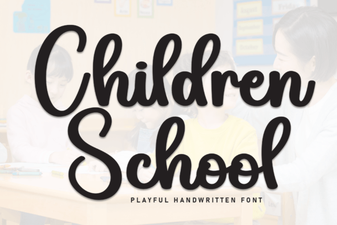 Choosing the Right Font for Children's Educational Projects
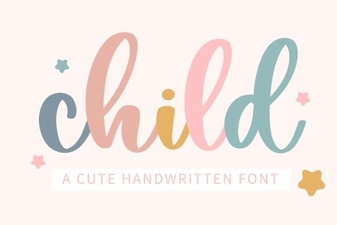 Fonts for Children's Projects and Designs
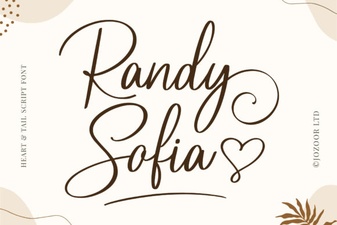 Randy Sofia Font for Elegant Design Projects
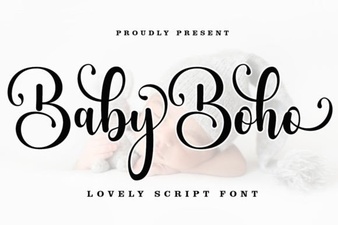 Beautiful Boho Fonts for Nursery & Kids' Projects
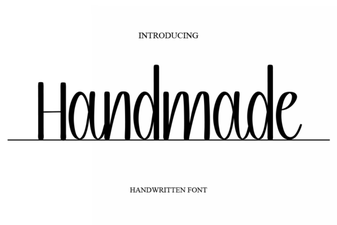 Crafting Unique Projects with Handmade Fonts
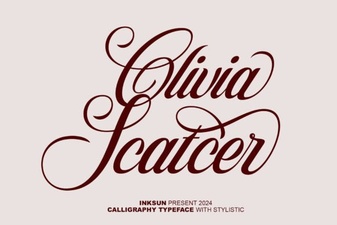 Olivia Scatter Font for Creative Design Projects