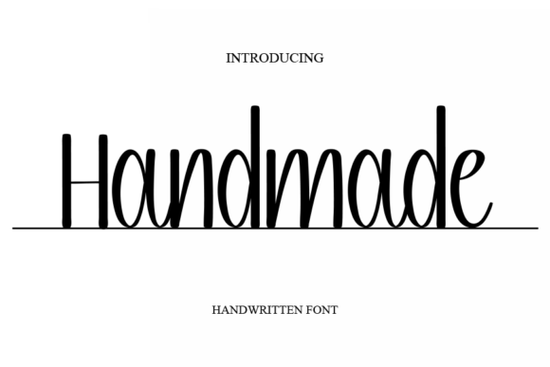
If you are searching for a way to add personality to your graphics without losing readability, the Handmade Font offers a solid solution for your next creative project. Whether you are designing social media posts, creating custom packaging, or working on a presentation deck, having a typeface that mimics handwriting helps humanize the message. This script style captures the warmth of a note written in person, making it perfect for brands that value approachability over formality.
The core strength of this design lies in its balance. Unlike overly decorative fonts that sacrifice legibility for flair, this option retains clarity while offering organic curves and varying stroke widths. It behaves much like a marker pen on paper, giving your layouts a textured feel. It handles both short titles and longer body text reasonably well, depending on the size you choose.
Which types of projects benefit most from a handwritten style?
Understanding when to use script typography is just as important as knowing how to use it. This specific character set shines brightest in environments where a personal touch is expected. Greeting cards and invitations are perhaps the most obvious choice, as they inherently communicate emotion. However, the utility extends far beyond stationery.
For print-on-demand sellers, using this typeface on merchandise like tote bags or mugs can increase perceived value. Customers often associate custom lettering with high-quality craftsmanship. If you run a lifestyle blog or an Etsy shop selling botanical items, pairing this with a floral graphic creates a cohesive aesthetic. In cases where nature themes are central to the design, exploring resources like soft duo options can complement this style nicely, allowing you to build a complete visual brand package.
Social media stories also require immediate attention. Scripts stand out in a feed dominated by blocky sans-serif text. By mixing weights and sizes, you create hierarchy that guides the viewer's eye. Just ensure you leave enough negative space around the text so the shapes of the letters do not get lost against busy background images.
How can I vary the look while staying true to the collection?
One of the best ways to keep a brand fresh is to explore complementary styles within the same family of products. While the primary font provides a reliable foundation, changing the mood might require adjusting the weight or the era the design evokes. If your current design feels too light or delicate, shifting towards heavier contrasts can ground the image.
For instance, if you are working on a high-contrast layout with white text on dark backgrounds, investigating bold sample scripts ensures your message remains visible. Alternatively, urban streetwear projects demand a grittier edge that a clean hand-written style may not fully satisfy. In those scenarios, looking into styles found outside traditional design norms can introduce a rawer texture to the composition.
Seasonal campaigns are another area where variety matters greatly. During colder months, crisp lines work well, but sometimes a softer feel is needed. Designs aimed at winter wonderlands might pair better with icy motifs than warm ones. Checking out themed snow fonts allows you to maintain consistency across your entire holiday marketing push without switching identities entirely. Conversely, festive cheer during December often calls for sparkle. Integrating elements from decorative light sets can tie the typography directly into the visual theme of the campaign.
Are there technical limitations I should know before installing?
Installation on your machine is usually straightforward, but proper setup is crucial for performance. Most creators download TrueType (.ttf) or OpenType (.otf) files directly from the platform. Once downloaded, install the file through your operating system settings. After restarting your design software such as Adobe Illustrator, Canva, or Procreate the new family should appear in your menu.
Licensing is the other major factor that dictates how you deploy the assets. Always read the license agreement included with your download. If you plan to sell the final designs commercially, such as selling t-shirts or digital planners, you need a specific commercial license. Standard personal licenses typically forbid using the font in products sold to third parties. Failure to secure the correct rights can lead to legal issues down the road, so double-checking these details saves headaches later.
- Download: Ensure you get the zip file containing the .ttf or .otf formats.
- Install: Right-click the font file and select Install to add it to your OS library.
- Verify: Open your design tool and check if the character map includes accented characters you need.
- Licence: Confirm whether your intended use falls under Personal or Commercial permissions.
- Save As: When exporting, convert text to outlines if you cannot share the source file, ensuring the design stays intact.
Taking the time to test these fonts on mockups before committing to a full production run is a smart move. Save your progress frequently and back up your libraries so you never lose access to your favorite tools.
Get Started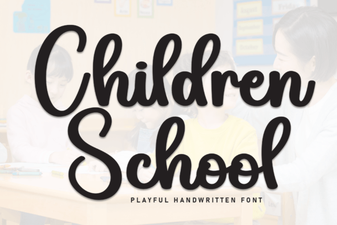 Choosing the Right Font for Children's Educational Projects
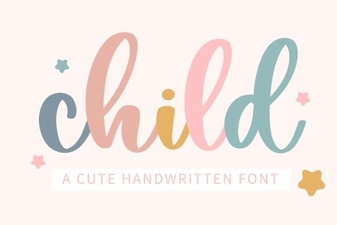 Fonts for Children's Projects and Designs
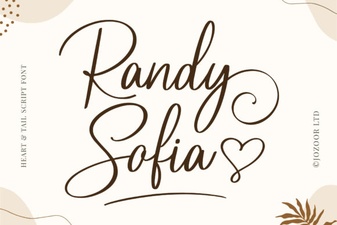 Randy Sofia Font for Elegant Design Projects
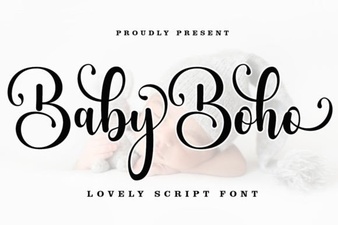 Beautiful Boho Fonts for Nursery & Kids' Projects
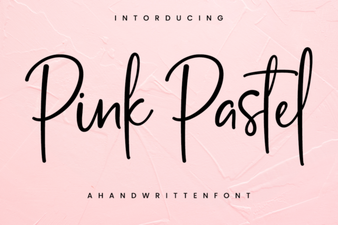 Inspirational Pink Pastel Font Design Ideas
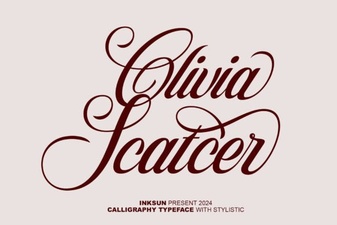 Olivia Scatter Font for Creative Design Projects