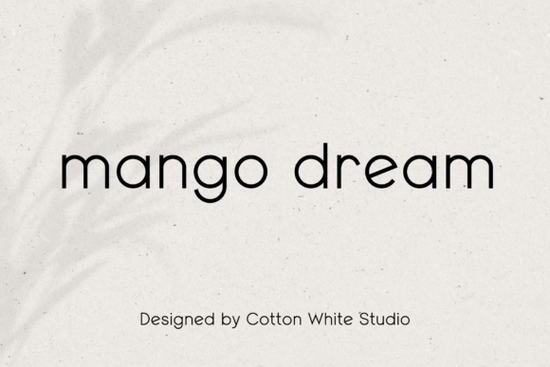
When you are looking for a typeface that balances approachability with professionalism, the Mango Dream Font stands out for its unique character. This specific tool offers designers a reliable way to communicate messages clearly without adding unnecessary visual noise. Many creative professionals have struggled to find modern sans-serifs that feel friendly yet maintain strict legibility. With a focus on roundness and minimalism, this typeface fills that gap effectively. Whether you are updating a website homepage or designing packaging for a new product line, having a versatile font in your library makes the workflow significantly smoother.
The visual structure of this font relies heavily on soft edges and consistent stroke widths. Unlike sharp angular typefaces that can feel aggressive or distant, the rounded corners create a sense of welcome. This makes it particularly useful for lifestyle brands, children’s products, or wellness initiatives where trust is a priority. The geometry remains simple enough that it works well alongside photographic elements without competing for attention. You do not need to worry about kerning issues becoming a distraction, as the spacing is pre-adjusted to feel balanced across most text sizes.
Does this font support international characters?
One of the most common hurdles for creators working outside their home region is encoding support. While many basic fonts include Latin script, reaching a global audience requires extended character sets. This typeface comes equipped with multilingual support, covering essential languages beyond standard English. This means you can label a product for distribution in Europe or Asia without needing to switch typefaces mid-project. For print-on-demand sellers targeting niche markets, this feature saves hours of trial and error. It ensures consistency across campaigns regardless of the local language requirements.
- Latin Extended Characters: Covers Western European languages including French, German, and Spanish.
- Punctuation Marks: Includes various symbols often required for formal documentation.
- Ligatures: Enhances flow in body copy for a polished look.
How does it fit into existing brand palettes?
Integrating new typography often requires testing against existing color schemes and image styles. Because this design is minimalistic, it pairs easily with bold colors without clashing. A dark background allows the clean strokes to pop, while a white or light pastel background maintains its readability. For branding materials, consider using heavier weights for headlines to establish hierarchy, then switching to regular weights for paragraph text. This creates a professional touch that aligns with current design trends favoring simplicity over ornate decoration.
If you decide to purchase or preview the typeface online, you can view the full details directly through Mango Dream Font. Having access to the official source ensures you receive the correct file formats for your software, whether you are using Adobe Illustrator, Inkscape, or Canva. File versions usually come in .OTF or .TTF formats, making installation straightforward on Windows or Mac systems. Once installed, the font appears instantly in your system font manager, ready for immediate application.
Sometimes, projects require a slight variation in tone that the primary choice cannot provide. In those instances, looking at geometric sans-serif alternatives helps maintain visual continuity. There are other popular resources available on the platform that share similar traits, such as styles found within the geometric sans-serif category. Exploring these options gives you flexibility when a client requests something distinct but equally modern. Comparing the weight and width differences ensures the final deliverable looks cohesive rather than mismatched.
Before beginning any large scale layout, it is smart to verify the licensing terms associated with the membership or individual download. Some licenses cover personal use only, while others permit commercial production including merchandise. For small businesses creating marketing campaigns, understanding these boundaries protects against legal complications. Always check the specific agreement attached to your download folder before launching a public-facing design asset.
What are the best ways to organize these files?
Maintaining a tidy digital workspace is crucial when managing multiple typefaces. Creating a dedicated folder for downloaded resources keeps your system clean. Within that folder, organize fonts by style family so you can find the right one quickly during deadlines. Back up these files to a cloud storage solution to prevent loss if your computer hardware fails. Keeping version control on hand is also helpful when collaborating with teams who need the exact same assets you used.
To locate every available variation and related specs, you should visit the dedicated catalog page. This central hub lists all the weights and special glyphs included in the master package. It is the most efficient place to confirm if a specific ligature or alternate character exists for your needs. Following these organizational steps prevents frustration later in the production process.
Quick Preparation Checklist
- Download the font files directly from your purchased account.
- Verify the file integrity by opening one sample file in your design software.
- Create a backup folder named "Typography_Resources."
- Cut a test paragraph in 14pt to check kerning and spacing quality.
- Register the font license number in your project management notes.
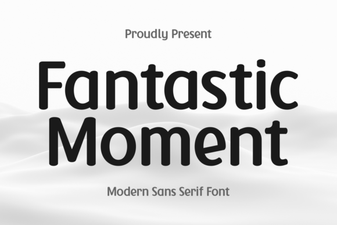 Fantastic Moment Font: Design Ideas for Your Projects
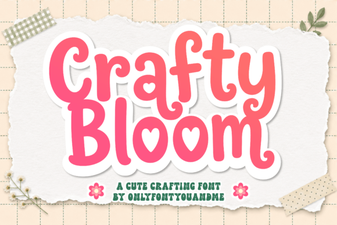 Crafty Bloom Font Design Ideas & Free Download
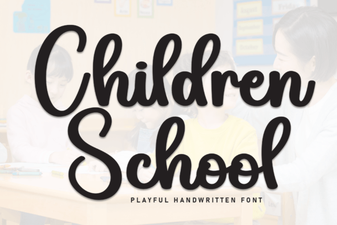 Choosing the Right Font for Children's Educational Projects
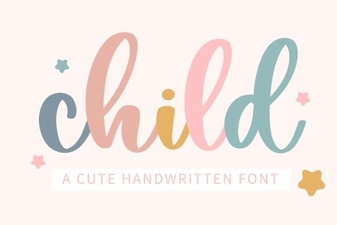 Fonts for Children's Projects and Designs
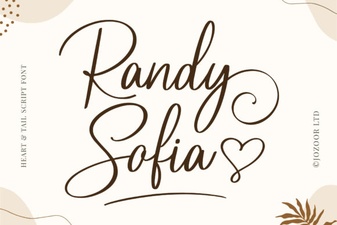 Randy Sofia Font for Elegant Design Projects
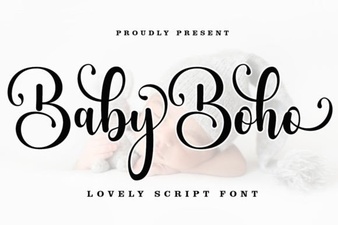 Beautiful Boho Fonts for Nursery & Kids' Projects