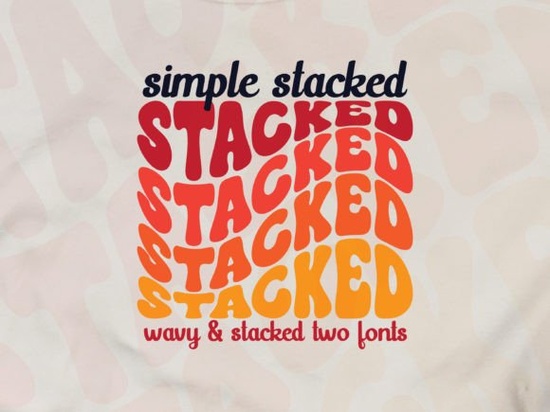
Design trends often circle back to styles that feel familiar yet nostalgic. A retro vibe brings instant warmth to modern branding, especially when you want to stand out without shouting. That is where Simple Stacked Font comes in. This Groovy font style features a wavy effect combined with a triple rainbow color palette, creating a playful yet stylish look ideal for retro-inspired projects. Whether you are working on a brand identity or a weekend craft project, having a versatile typeface that bridges the gap between vintage and current trends saves hours of manual tweaking.
What kind of visual projects fit this style?
The core strength of this typography lies in its ability to grab attention through shape and color. Because the letters stack with a wave, they mimic movement even when static on a screen. This makes the typeface particularly effective for merchandise like t-shirts, tote bags, and stickers where graphics need to pop against busy backgrounds. It is also excellent for digital signage and event posters where quick readability meets artistic flair. Unlike blocky sans-serifs that dominate corporate spaces, this font introduces personality into layouts that might otherwise feel too serious.
When planning your palette, remember the description mentions a triple rainbow effect. You do not need to use every color simultaneously to make the design work. Often, isolating specific hues creates a cleaner focal point for social media banners or website headers. If you want to keep things monochromatic but still textured, applying a drop shadow or slight gradient can maintain the depth implied by the stacking technique. This flexibility allows designers to adapt the font across different mediums, from high-resolution print to web display screens.
How does it compare to other retro typefaces?
While this font captures the essence of the past, many creators wonder how it balances with similar options. If you find the waves too intense for certain projects, swapping to a more organic shape might be necessary. For example, if you are designing for a coffee shop with a natural aesthetic, you might explore the curves found in Crafty Bloom Font. This option offers a floral connection that softens the graphic quality of stacked lettering while keeping the vintage charm alive.
On the other side of the spectrum, some designs require a harder edge to convey rebellion or raw energy. In cases where grime or wear-and-tear adds character, Funky Grunge Font provides a distinct texture. You can mix these styles carefully; perhaps using the clean stacked text for headlines and a grunge variant for supporting subheads to create hierarchy within a poster layout.
Which fonts pair best visually?
Successful designs rely on contrast. Pairing a highly stylized display font with a simple body text ensures the message remains clear. For a sporty twist on the retro theme, Varsity Sport Army Font complements the stacked look well because both share a bold presence. Combining the wavy stacks with athletic lettering creates an energetic dynamic suitable for gym logos or summer camp materials.
Sometimes, stepping away from the neon brights reveals the form of the type. A rustic alternative, such as Farmstead Font, grounds the design if the project involves organic products. Conversely, if you want to lean fully into a candy-pop era, Strawberry Milk Candy Font shares that sweet, sugary sentiment and matches the playful nature of the primary stack. Using these combinations requires testing, but mixing rounded edges with sharp angles usually yields balanced compositions.
How to install and edit it correctly?
Getting the file onto your machine is the first step. Most vector-based software handles these display fonts natively, allowing you to convert outlines for permanent stability. The recommended software for handling the complexity of the stacking and wave effects is Adobe Illustrator. Working in vector mode prevents pixelation when resizing for large format printing. Once imported, group the layers to move the stacked letters together without shifting individual characters.
Licensing is another critical factor for commercial users. Before uploading any designs to print-on-demand platforms, always verify the terms included in the download package. You need assurance that you can sell finished goods featuring the logo or artwork created with these glyphs. For full details on availability and pricing structures, checking the official listing for Simple Stacked Font provides the current information needed to proceed with confidence.
What file formats come with it?
Compatibility extends beyond just the installation process. Design files often require specific extensions depending on the final output method. If you are sending files to a printer who uses older RIP software, ensuring support for standard formats like TTF or OTF is vital. Web users may require SVG conversions to maintain crisp edges on mobile devices. Always keep a backup of the original source file in case future updates or corrections are needed for the design library.
Quick Setup Checklist
- Verify Licensing: Ensure the license covers Print-on-Demand sales.
- Install Locally: Double-click the .ttf file to activate in your system.
- Open in Vector: Load the font in Illustrator to scale without losing quality.
- Create Outlines: Convert text to curves before saving final PDFs.
- Check Spacing: Adjust kerning manually to fix gaps caused by the wavy shapes.
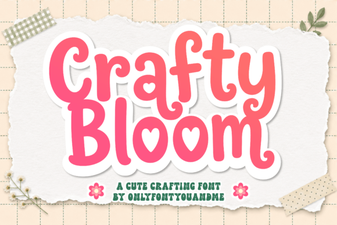 Crafty Bloom Font Design Ideas & Free Download
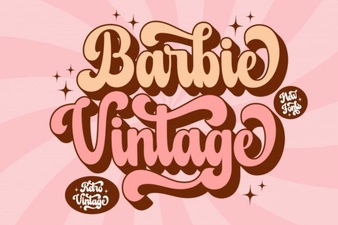 Vintage Barbie Font Styles & Design Uses
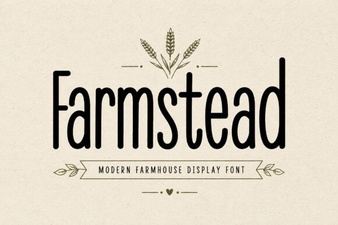 Farmstead Font: Creative Design & Project Inspiration
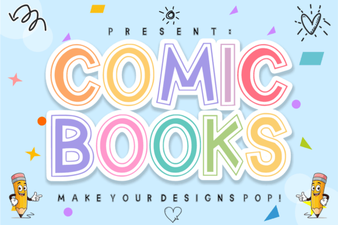 Choosing Comic Fonts for Your Diy Superhero Project
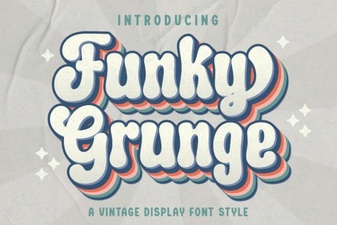 How to Use Funky Grunge Fonts in Your Design Projects
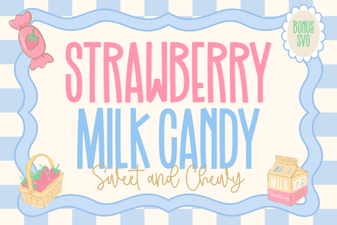 Strawberry Milk Candy Font for Sweet Designs