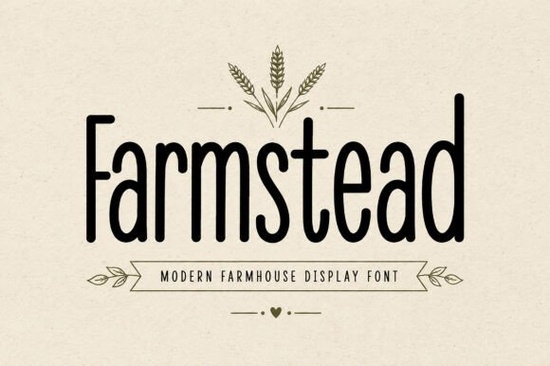
If you have been looking for a typeface that captures the warmth of rural life without sacrificing readability, the Farmstead Font is a strong candidate. This modern farmhouse display type brings a handcrafted feel to projects, whether you are making a wedding invitation or labeling organic products. Designed with tall, clean letterforms, it balances nostalgia with contemporary clarity.
Many designers struggle to find a balance between decorative flair and actual legibility. Farmstead solves this by offering distinct uppercase and lowercase letters alongside full number and punctuation support. The multilingual capabilities ensure it works for broader audiences, making it a reliable choice for international boutique shops or local bakeries aiming for a specific vibe.
Does this font handle intricate crafting projects?
A common challenge for crafters is finding a file format that works seamlessly with cutting machines. This font comes prepared for digital workflows, supporting SVG projects perfectly. Because the paths are defined clearly, software like Silhouette Studio or Adobe Illustrator handles the curves and angles smoothly. You will not encounter jagged edges or missing cuts when exporting files for Cricut devices.
This reliability matters significantly for print-on-demand sellers who send files directly to production partners. Unlike some script-heavy fonts that fail at small sizes, Farmstead retains its character even on tote bags or stickers. The wide spacing in the uppercase allows for impact on home décor quotes without looking cramped.
However, if your brand leans towards something softer or sweeter, you might compare this against other playful options found in the marketplace. For instance, exploring strawberry milk candy fonts could help if your target audience prefers pastels and whimsical shapes. But for a grounded, earthy aesthetic, Farmstead offers a more authentic root-based appearance.
How does the style compare to other display trends?
Understanding how your choice fits into current design trends helps buyers recognize value. While this font leans heavily into the rustic theme, other styles serve different needs entirely. If you need sharper definition or vertical emphasis, simple stacked fonts often provide a structured approach that stands apart from the flowing nature of farm themes.
Conversely, sometimes you might want a grittier edge rather than a polished farmhouse look. In those cases, funky grunge font displays offer a raw texture that contrasts nicely with traditional wooden signage imagery. Yet, for customers seeking that cozy kitchen atmosphere, the smooth edges of Farmstead deliver the intended emotional response without visual noise.
Vintage appeal is another layer worth considering. When designing retro merchandise or throwback logos, you might look at barbie vintage fonts for a nostalgic pop art feel. Although Farmstead shares a history-focused tone, it stays closer to agricultural traditions than mid-century commercialism. This distinction ensures your design remains true to the rustic narrative you intend to tell.
Typography flexibility is also a key factor for multi-purpose brands. Some projects require heavy attention-grabbing characters, similar to comic books font collections used for bold headlines. While Farmstead is a display font, it lacks the exaggerated exaggeration of comics. Instead, it prioritizes friendliness, making it suitable for family-oriented businesses or community organizations.
Which products benefit most from this aesthetic?
Identifying the right applications saves time and increases conversion rates. Bakery branding is a primary use case because bread and sweets imply homemade quality. A jar of honey or jam looks better with labels printed in a font that suggests care and manual labor.
Wedding décor is another sector where this type shines. Couples often favor natural elements, such as burlap textures combined with handwritten touches. Using this font on seating charts or ceremony programs adds that cohesive charm seen on Pinterest boards. Social media graphics also gain credibility when the text looks professionally set rather than default.
For those selling physical goods like mugs and tote bags, visibility is crucial. The high contrast of the black and white glyph pairs well with screen printing and heat press transfer materials. You can scale the text down for clothing tags or blow it up for large wall murals without losing definition.
- Oatmeal packaging: Organic labels stand out with rustic serifs.
- Café menus: Handwritten vibes invite guests to linger.
- Greeting cards: Personal messages feel more heartfelt.
- Event invitations: Weddings look timeless and elegant.
- Social posts: Quotes perform well with clear kerning.
Is it compatible across different platforms?
Software compatibility is vital for workflow efficiency. As long as your system supports TrueType OpenType formats, this font installs quickly on both Windows and Mac. Once installed, it appears in Adobe Photoshop, Illustrator, InDesign, Canva, and Affinity Designer libraries instantly.
Digital users working in the cloud will appreciate that the web-safe rendering holds up on mobile screens. Social media managers know that blurry text kills engagement. The vector paths included in the download ensure crisp rendering regardless of the device size displaying the image.
When setting up a new business identity, consistency builds trust. Pairing this display font with a complementary serif body font creates a balanced hierarchy. However, relying solely on display fonts for long-form text reduces readability. Use this for headers, titles, and short accents to maintain professional standards.
Practical Next Steps for Your Project
Before downloading assets for mass production, verify the license terms associated with your account tier. Commercial rights usually allow you to sell finished items but restrict redistributing the font file itself. Keep a backup of your installation files in a secure folder labeled clearly to avoid re-downloading later.
- Test print: Create a test sheet at 100% size to check kerning spacing.
- Cut test: Run a single letter through your machine to validate cut paths.
- Color proof: Check contrast ratios if placing text over textured backgrounds.
- Licensing check: Confirm permitted end uses for your specific subscription plan.
- File organization: Save vector versions (.svg/.eps) separately from preview images.
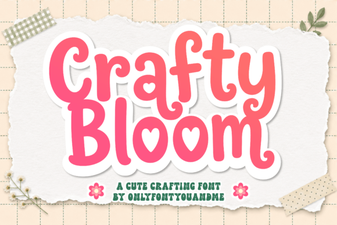 Crafty Bloom Font Design Ideas & Free Download
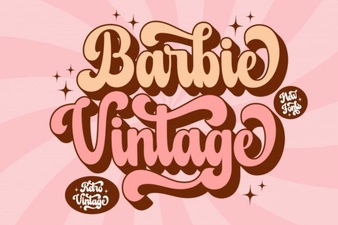 Vintage Barbie Font Styles & Design Uses
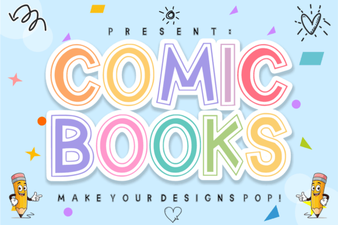 Choosing Comic Fonts for Your Diy Superhero Project
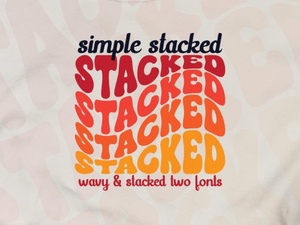 Simple Stacked Font Designs for Modern Websites
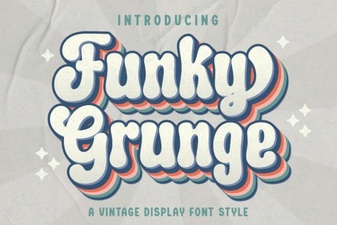 How to Use Funky Grunge Fonts in Your Design Projects
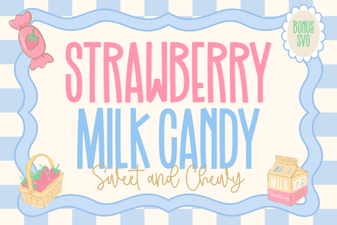 Strawberry Milk Candy Font for Sweet Designs